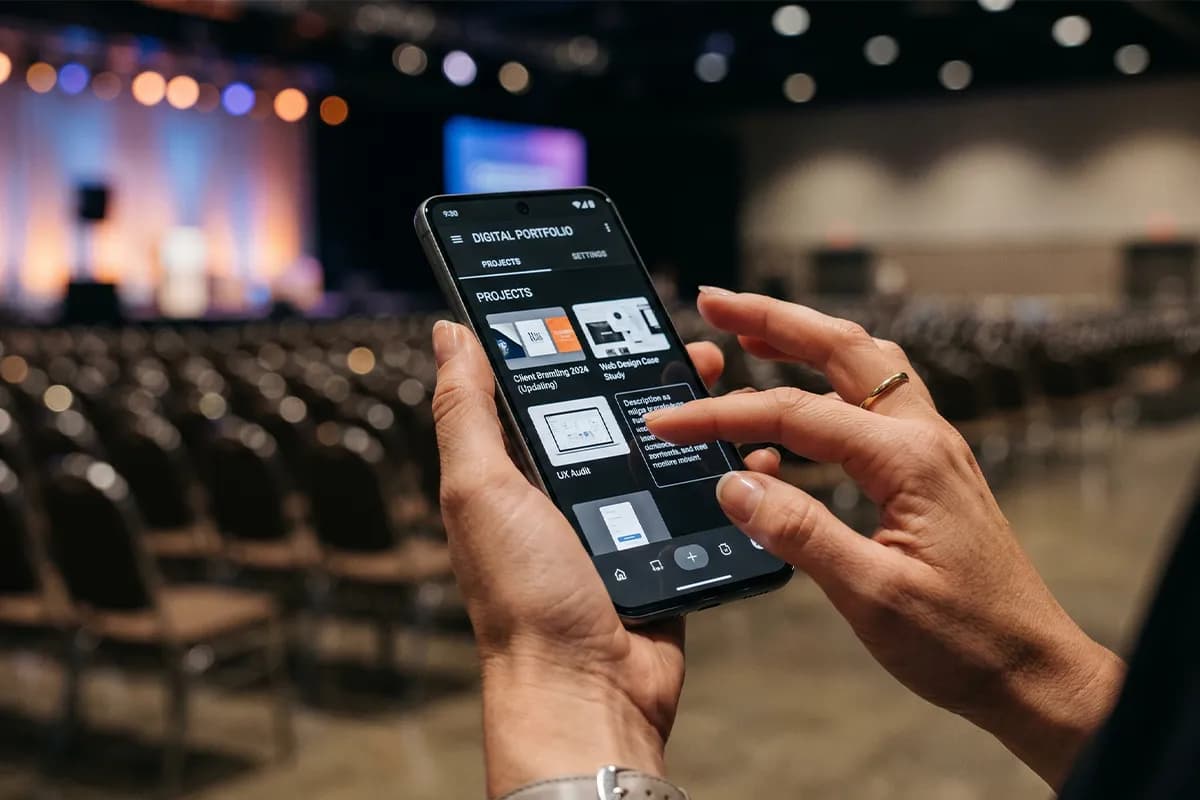

Conferences are expensive. The ticket, the travel, the hotel, the days away from work. And yet, most professionals walk out of them with a handful of LinkedIn connections they will never actually speak to again and a vague sense that they should have done more with the opportunity.
The problem is rarely the conference itself. It is how people show up to it.
Networking at conferences is a skill, and like any skill, it can be learned and improved. The difference between someone who walks out with three genuinely valuable new relationships and someone who spent two days talking to people they already knew comes down to a few specific choices. Here are four that actually matter.
Trick 1: Prepare Before You Walk In the Door
The single biggest mistake professionals make at conferences is treating preparation as optional. They register, they show up, and they figure it out as they go. That approach works fine for watching presentations. It does not work for networking.
Preparation starts with knowing yourself before you try to connect with anyone else. What are you actually there for? What do you need right now in your business or career? What can you genuinely offer someone in return? If you cannot answer these questions clearly before you arrive, you will spend the whole conference having surface-level conversations that go nowhere.
Prepare your professional profile. Make sure your digital presence, your LinkedIn, your portfolio, your digital business card, reflects where you are right now and not six months ago. Update your networking intent. Think about the story you want to tell about your work, because you will be telling it many times over two days and it needs to feel natural rather than rehearsed.
Preparation also means arriving with the right energy. Conferences are long and draining. The professionals who make the most of them treat it like a working day with a clear objective, not a social event they stumbled into. Come rested. Come focused. Know what a successful day looks like for you before it starts.
Conference networking strategies that work all start here. The professionals who consistently build the best connections at events are not the most extroverted ones in the room. They are the most prepared ones.
Trick 2: Use the Right Tools in the Room
Walk into a conference with two hundred professionals and you face an immediate problem. You cannot see who anyone is. Everyone is wearing a name badge, but name badges tell you almost nothing. They do not tell you what someone is looking for, whether they are open to new partnerships, whether they are the exact person you needed to meet, or whether the conversation you are about to start is worth having.
This is where modern conference networking tools change the dynamic entirely.
A platform like Cardixx, which launched its networking hub features in 2026, is built specifically for this moment. You check in to the conference location through the app, set your networking intent, what you are working on and what kind of connections you are looking for, and you can immediately see other professionals who have also checked in, along with their titles, companies, and what they are there for. You can send an in-app message before you even approach someone, and when you meet in person, you exchange digital business cards through a QR code scan.
That single feature, knowing who is in the room before you start talking to them, turns conference networking from a lottery into a strategy.
And while you are at it, leave the printed business cards at home. They are not relevant anymore, and handing one out at a professional conference in 2026 sends a quiet but clear message about how up to date you are. A well-designed digital business card shared through a QR code leaves a better impression, saves the other person's contact details instantly, and does not end up lost in a jacket pocket by the end of the day.
Trick 3: Tell Stories, Not Job Descriptions
Here is something most conference networking advice gets wrong. It tells you to perfect your elevator pitch. To have a tight thirty-second explanation of what you do and who you do it for.
The problem is that people do not remember what you do. They remember how you made them feel, and they remember stories.
When someone asks what you do, the instinct is to answer the question directly. "I'm a product manager at a fintech startup." Heard and forgotten. But if instead you say something like "We are trying to make it easier for small businesses to get loans without spending three months on paperwork, and we are at the point where the product is working but now comes the hard part of getting people to trust something new," you have just given someone a story with a problem, a mission, and a tension. That is interesting. That is memorable. That is the kind of thing someone will bring up when they introduce you to someone else at the same event.
The best meeting professionals at conferences are not the ones with the most polished pitches. They are the ones who make the other person feel like they just had a real conversation rather than a transaction. Ask questions. Show genuine curiosity. Find the story in what the other person does too, not just in what you do.
Personal brand is built in these moments. How you present yourself, the impression you leave, the stories you tell about your work, these are the things that travel after the conference ends.
Trick 4: Follow Up Before the Memory Fades
Everything you do at a conference, the preparation, the conversations, the impressions you made, means nothing if you do not follow up. This is where most of the value gets lost. People get home, get back into their routine, and the momentum of the event evaporates within 48 hours.
Follow up fast. Within a day or two, while the conversation is still fresh for both of you.
But follow up with something real. Not a generic LinkedIn request with no message. Not a "great to meet you" email with nothing attached to it. Reference something specific from the conversation. A point they made that you found interesting. A problem they mentioned that you have a thought on. Something that tells them you were actually paying attention and that this connection means something beyond a number on your follower count.
This is also why digital business card exchanges matter so much more than LinkedIn connections. When you exchange digital cards through a platform like Cardixx, both of you have each other's full professional profile saved, with the context of where and how you met. If the other person does not have the app, they can still receive your card and save it as a PDF or JPEG. The contact does not disappear. The information does not get lost. And when you follow up, they already know exactly who you are.
Building connections that last after an event requires one thing above everything else: treating the follow-up as part of the networking, not as an optional extra after the event is over. The conference is where the relationship starts. Everything after is where it either grows or gets forgotten.
Show up prepared, use the right tools, make yourself memorable through stories, and follow up like you mean it. Four tricks that sound simple, and are, once you decide to actually do them.