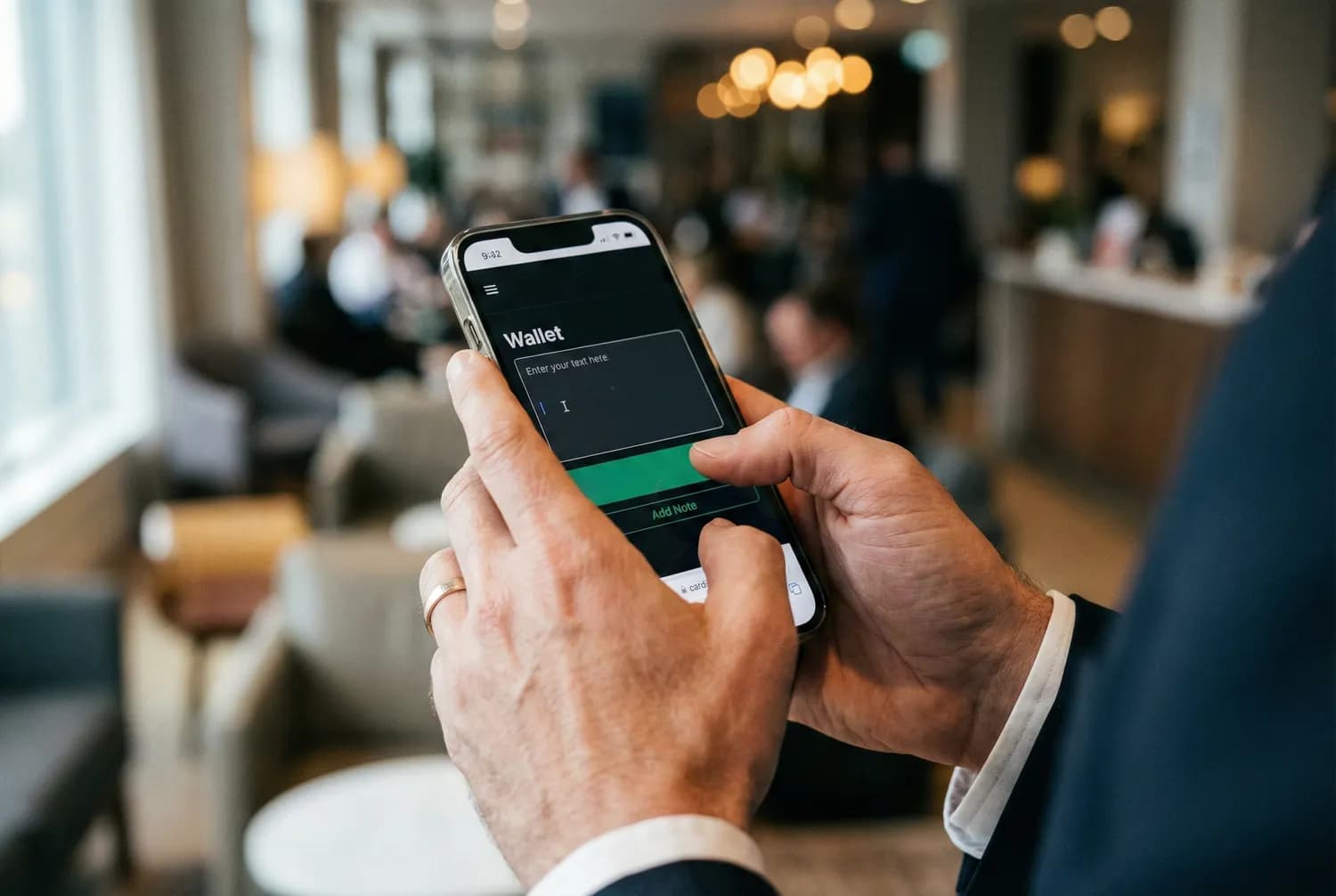

Professional networking has never had more tools, yet it has rarely felt this confusing.
CRMs, networking apps, contact lists, productivity platforms… all promise better connections, but few actually help professionals build relationships that last.
So what are digital networking tools, how do they differ, and where do digital business cards really stand among them?
This article breaks down the modern networking landscape and helps professionals choose tools that actually work.
Key Takeaways
- Digital networking tools serve different purposes not all are built for relationships
- Digital business cards sit between access and relationship management
- Most networking tools fail because they focus on volume, not relevance
- Choosing the right tool depends on how you want to network, not how many people you meet
What Are Digital Networking Tools?
Digital networking tools are platforms designed to help professionals connect, manage contacts, and maintain business relationships digitally.
They range from simple contact-sharing tools to complex CRM systems. In theory, they all aim to make networking easier.
Today’s professionals are connected across emails, LinkedIn, messaging apps, and calendars. Digital networking tools exist to organize this chaos but many stop at storing information rather than supporting real interaction.
That’s why simply having a tool doesn’t guarantee better networking. The real value lies in how well a tool supports continuity after the first connection.
Common Types of Networking Tools
Most digital networking tools fall into four main categories:
- Networking apps focus on discovery helping users find and connect with new people
- CRM & contact management tools are designed to track relationships over time
- Productivity tools help manage communication, reminders, and follow-ups
- Digital business cards sit at the intersection of all three enabling access, preserving context, and supporting follow-up
- Understanding these categories is essential before choosing the right tool for your networking style.
Where Digital Business Cards Stand Among Them
Digital business cards stand out because they focus on the moment of connection and what happens right after.
Unlike networking apps or CRMs, digital business cards are lightweight but powerful. They capture contact information instantly while preserving context.
This makes them especially effective for professionals who network frequently but don’t want the friction of complex systems.
In the world of digital networking tools explained, digital business cards act as a bridge turning introductions into relationships.
Digital Business Cards vs Networking Apps
The key difference between digital business cards vs networking apps lies in intent.
Networking apps are built to help you meet people. Digital business cards are built to help you remember them and follow through.
Apps emphasize discovery, profiles, and visibility. Digital business cards emphasize relevance, continuity, and usability.
Choosing the Right Tools for Networking
The best networking tools for professionals are not the ones with the most features but the ones that fit how you actually work.
If your challenge is meeting new people, networking apps may help.
If your challenge is managing long-term relationships, CRMs make sense.
If your challenge is losing context, forgetting follow-ups, or letting connections fade digital business cards are often the smartest starting point.
Modern networking isn’t about collecting tools. It’s about choosing tools that support better habits.
Final Thoughts
Digital networking tools are evolving but many still prioritize scale over substance.
Digital business cards stand out because they respect how professionals actually network: in moments, conversations, and follow-ups.
In a crowded landscape of tools, the future belongs to those that help turn access into meaningful relationships not just more contacts.