
Professional networking strategies are evolving as modern business communication becomes more digital, data driven, and relationship focused. Today, networking is no longer about collecting as many contacts as possible. It is about building meaningful connections and maintaining them over time.
This is where digital business cards for networking play a critical role.
Digital business cards transform the way professionals connect by combining digital networking tools with personal branding in networking. They allow you to share complete profiles instantly, track engagement, and follow up strategically, helping you turn casual introductions into real professional relationships.
The Networking Problem Nobody Talks About
Here is the uncomfortable truth about networking. Most of it is wasted effort.
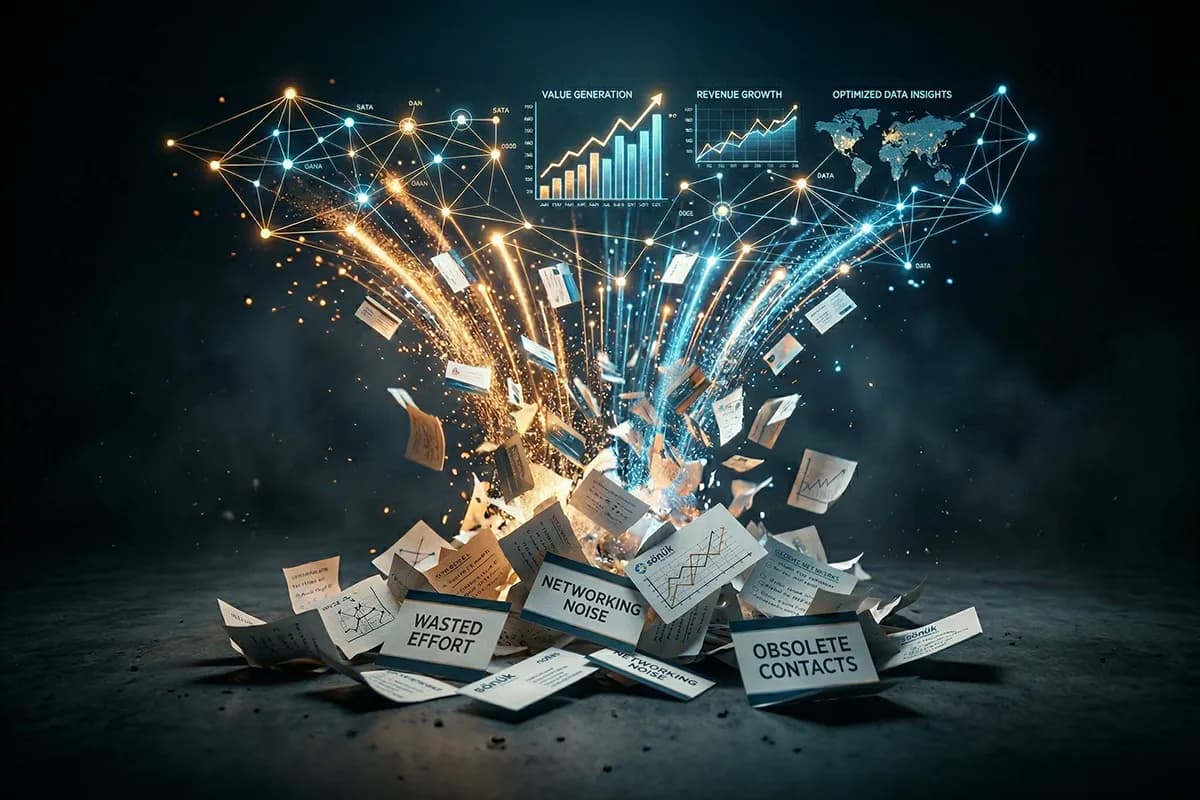
You attend an event, meet interesting people, exchange business cards, and feel productive. Then those cards sit in your wallet for weeks until you throw them away because you cannot remember who half those people were.
According to data, 88 percent of business cards handed out are thrown away within a week. That is not an effective professional networking strategy. It is expensive litter.
As modern business communication shifts toward digital solutions, more professionals are rethinking how they connect. This is why networking with digital business cards is becoming standard rather than the exception.
Why Digital Business Cards Improve Networking Results
Digital business cards are not just a digital version of paper cards. They are powerful digital networking tools designed for how professionals actually work today.
- Zero Friction Information Exchange
Paper cards require manual data entry. Someone has to type your details into their phone later, and most people never do. Digital business cards save directly to a device with no errors, no missing details, and no extra steps.
When you update your information, everyone who has your card sees it automatically. New job, new number, or updated portfolio all stay current.
- First Impressions That Stand Out
When everyone else hands out paper, a digital business card makes you instantly memorable.
You can showcase personality with professional photos, brand colors, and thoughtful design. You show that you are forward thinking and tech savvy. You also provide immediate value with portfolio links, case studies, calendars, and video introductions.
- Integration With How Professionals Actually Work
Modern professionals use digital tools. Digital business cards integrate naturally with CRMs, email platforms, LinkedIn, and calendars.
When someone saves your card, it can automatically update a CRM, trigger a LinkedIn connection, add a contact to an email list, or allow them to book time with you. Paper cards require manual effort at every step.
- Analytics Turn Networking Into Strategy
This is where digital business cards truly change the game.
You can see when someone views your card, which links they click, and when they engage again. Networking stops being guesswork and becomes data driven.
You know who is genuinely interested. You know who to follow up with first. You understand which content resonates and when to reach out.
Paper cards cannot do this.
- Multimedia Capabilities Paper Cannot Match
Digital business cards support videos, portfolio samples, testimonials, and interactive elements. You can add a short introduction video, link to your best work, show social proof, and include scheduling buttons or resources.
This creates a richer experience. People remember you, understand your value faster, and know exactly what to do next. Digital cards are also eco friendly, cost effective, always available, and never run out.
How to Use Digital Business Cards Before, During, and After Networking
Most people think networking happens only at the event. That is a mistake. Real networking happens before and after.
- Before Networking
Preparation matters. Update your information, use a professional headshot, write a clear tagline, and feature the most relevant links. Test everything to make sure it works.
Customize your card for the audience. Highlight projects for industry events, case studies for potential clients, resumes for interviews, and collaboration examples for partnerships.
Decide how you will share your card before you arrive, whether through a QR code, NFC, or a direct link.
- During Networking
Do not lead with your business card. Lead with conversation.
Ask thoughtful questions, listen carefully, and build real rapport. Share your digital business card only when it makes sense to exchange information.
When you do, keep it simple and fast. A quick scan or tap is enough. Follow up immediately with context by sending a short message referencing your conversation.
- After Networking
This is where relationships are built.
Follow up within 48 hours with a personalized message. Reference something specific you discussed, deliver any value you promised, and suggest a clear next step.
Use engagement data to prioritize follow ups. Reach out to contacts who viewed your card or clicked links and tailor your message based on what interested them.
Continue nurturing relationships by sharing relevant content, celebrating wins, making introductions, and checking in periodically. Update and re share your card as your career evolves.
This is how you turn contacts into relationships and improve networking using digital business cards.
Personal Branding Through Digital Business Cards
Your digital business card is more than contact information. It is a personal branding tool. Personal branding in networking plays a very important role.
Before optimizing your card, define your brand. Clarify what makes you different, what problems you solve, and what value you bring. Your headline, bio, and links should communicate this clearly.
Focus on a few core themes and reinforce them consistently through your content and language.
Authenticity matters. Be genuine. Show your human side. Make sure your card aligns with your online presence and update it as you grow.
Position yourself as an expert by linking to published content, speaking engagements, media mentions, or original insights. People should quickly understand not just what you do, but why it matters.
Your Next Move
Professional networking with digital business cards is not about replacing human connection. It is about enhancing it through smarter digital networking tools and modern business communication.
Networking in 2026 requires strategy, authenticity, and modern tools.
As networking continues to evolve, those who adopt digital business cards for networking gain a clear advantage. They make stronger first impressions, follow up more effectively, and build lasting professional relationships.
The future of networking is digital, personal, and strategic. Now is the time to start.